
When is the Best Time of Day to Fly? Morning vs. Evening
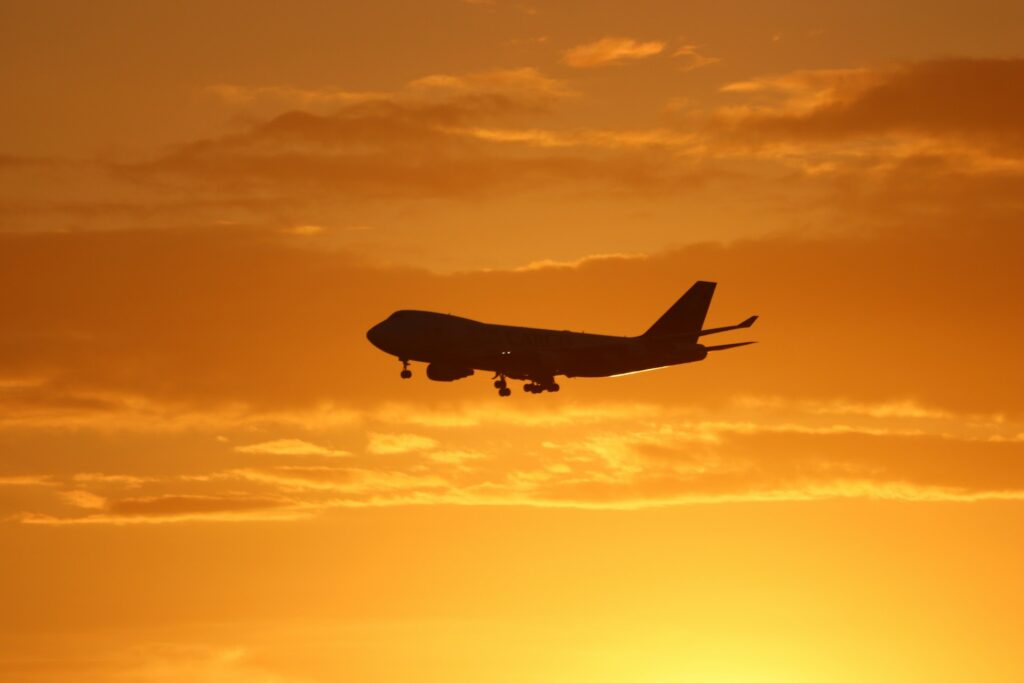
You can choose the perfect seat, pack carefully, plan your itinerary, and arrive at the airport early. Yet one simple choice can still affect your entire trip: the time your flight departs.
Most travelers pick flights based on price alone. But the time of day you fly can influence much more than the ticket cost. It can affect delays, flight turbulence, airport crowds, jet lag, and how much of the first day of vacation you get to enjoy.
A 6 AM flight may require an early alarm, but it often means a smoother start. Early flights are more likely to leave on time, and you may arrive with most of the day still ahead of you. An afternoon flight risks delays and air traffic, but allows you to sleep in and travel at a slower pace.
So, what is the best time of day to fly: morning or afternoon? It all depends on where you’re going and what matters most to you. In this guide, we’ll explore the options.
For more on savvy travel, check out the how to find cheap flights and airport hotel deals. Otherwise, read on or click to jump to a factor for more details:
| Factor | Morning Flights | Evening Flights |
| Long-Haul | Can be tiring, less sleep on plane | Overnight flights align with sleep. |
| Cost | Often cheaper. | Usually pricier. |
| Delays | Less risk, first flights of the day. | Higher risk as delays accumulate. |
| Airport Crowds | Busier terminals. | Quieter, shorter lines. |
Best Time to Fly For:
Long Haul: Evening
For long-haul international travel, evening departures can help you adjust to a new time zone. Many overnight flights leave in the evening and arrive the next morning at the destination. This way, you can avoid losing a day of your vacation to travel and tiredness.
When flying east (like from New York City to London) evening flights work particularly well. It’s much easier to sleep on the plane when it’s dark outside. Even if you only rest for a few hours, it can help your body begin shifting toward the destination’s time.
Morning arrivals can also make it easier to manage jet lag. Getting daylight and staying awake until the local evening helps reset your internal clock more quickly.
However, overnight flights aren’t ideal for everyone. Sleep on planes can be short and interrupted. If you struggle to sleep in a seat, you may arrive very tired. In that case, a daytime long-haul flight may be better, especially if it lets you sleep normally once you arrive.
Saving Money: Morning
If budget is your top concern, early morning flights are often cheaper.
Business travelers tend to prefer mid-morning or afternoon departures, which drives up demand later in the day. Early flights (especially midweek) sometimes come at a lower fare due to lighter demand.
Why morning flights can be cheaper:
- Lower leisure demand before 7AM
- Airlines incentivize early departures
- Fewer premium-cabin bookings on some routes
That said, pricing always varies by route and season, so flexibility is key.
Avoiding Delays: Morning
The day’s first flights are the least likely to face delays. Planes start their day at their origin airport. As the day progresses, delays start to compound, and one late aircraft creates a ripple effect across multiple routes.
Weather is another factor. Thunderstorms, especially in summer, tend to build in the afternoon. By flying early, you avoid most of that risk.
Why morning flights are more reliable:
- Delays haven’t built up yet
- Less air traffic congestion
- Calmer weather conditions
- More rebooking options if something goes wrong
If reliability matters most, book the earliest departure you can reasonably manage.
Quieter Airports: Evening
If you prefer a calm departure, evening flights are a good choice. By the end of the day, the busiest departure waves of the day have already passed. Many airports begin to quieten down.
This can mean shorter security lines, less crowded terminals, and a more relaxed boarding process. Travelers who leave later in the day usually have more time to pack, finish work, or travel to the airport. There’s far less pressure than an early morning schedule.
However, there are a few trade-offs. Some airport services, boutique shops, plus eateries and restaurants start to close late at night, especially at smaller airports. If your flight is delayed, there may also be fewer later departures available that same day.
Why evening flights can feel quieter:
- Many daytime departure groups have already left
- Shorter security and check-in lines at some airports
- Less crowded gates and waiting areas
- A more relaxed pace compared to peak daytime travel
How to Make Morning Flights Easier

One of the simplest ways to make early flights easier is to stay at an airport hotel the night before. Many airports have hotels within walking distance of the terminal. Most will offer free shuttle buses that run throughout the night and early morning. This way, you’re not waking up at the break of dawn to rush to the airport. Simply check out, walk down to the shuttle, and breeze through the terminal instead.
Preparing the night before can also make a big difference. Packing your bags, checking in online, and confirming your transport ahead of time helps you avoid a scramble in the morning. The less decisions you have to make when you wake up, the better your airport experience will be.
It can also help to adjust your evening routine slightly. Going to bed earlier than usual may not always lead to a full night’s sleep, but even a little extra rest can make the early start feel more manageable.
Finally, try to keep the morning simple. Give yourself enough time to get ready, grab breakfast at the airport if needed, and move through security without feeling rushed. A slower, more organized start can make early flights feel far less stressful. This helps you begin your journey in a better frame of mind.
Managing Afternoon / Evening Flights
The main drawback of later flights is the reliability of their schedules. A plane that arrives late from another city may delay the next flight using that same aircraft. Air traffic congestion can also increase during busy afternoon travel periods.
If you’re flying later in the day, it helps to plan with a little extra flexibility. Arriving at the airport with plenty of time can reduce stress if security lines are longer than expected. It’s also a good idea to monitor your flight status before leaving for the airport, as delays sometimes appear earlier in the day. If you’re concerned about delays, aim to fly from a larger airport with more departures, like JFK or LAX. This gives you more options if something goes wrong.
Afternoon flights can still be a great choice, especially for shorter trips or when you want a slower start to the day. Except on the busiest travel days, terminals are less crowded and easier to relax in at this time. Just remember to build a little buffer into your travel plans if timing is important.
Main image: Nafis Al Sadnan – Unsplash
FAQs
Are early morning flights cheaper?
They can be. Early flights sometimes have lower demand, especially from leisure travelers who prefer not to wake up before sunrise. However, prices still vary widely depending on the route, airline, and time of year.
Which flights have the most turbulence?
Flights later in the day often encounter more turbulence. As the sun heats the ground, rising warm air can create unstable conditions. Morning air tends to be calmer, which can lead to a smoother ride.
Are airports less crowded in the evening?
Often, yes. Many of the day’s busiest departure periods occur in the morning and early afternoon. By the evening, security lines and terminals may be quieter, though this varies by airport and travel season.
What is the best time to fly if I hate waking up early?
Afternoon or early evening flights are usually the most comfortable if you want a relaxed start. You can wake up at a normal time, finish packing, and travel to the airport without rushing.
What is the overall best time of day to fly?
There isn’t one perfect time for every traveler. Morning flights are usually more reliable and sometimes cheaper. Evening flights can be more convenient and better for overnight long-haul routes. The best option depends on your priorities.
